-
In October 2003, Bolivian movements faced the deadliest repression in a quarter century, and yet they succeeded in overthrowing a president. This is "backfire," a moment when repression dramatically fails for those who initiate it. The subject of my newly published article.On twitter.com
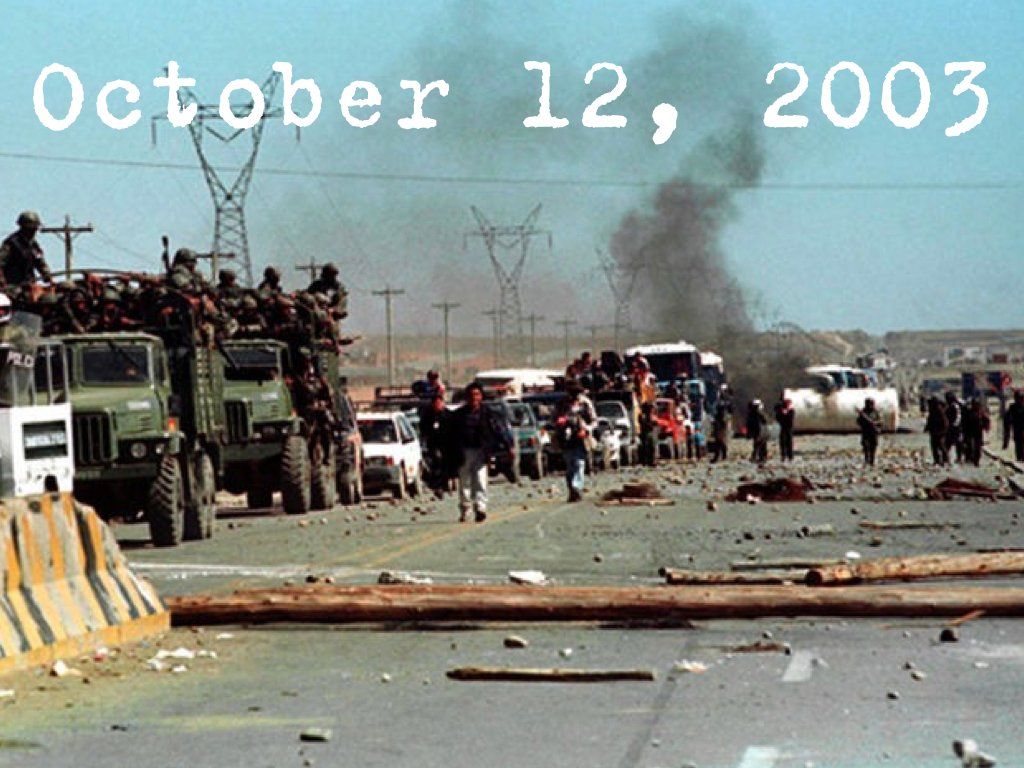
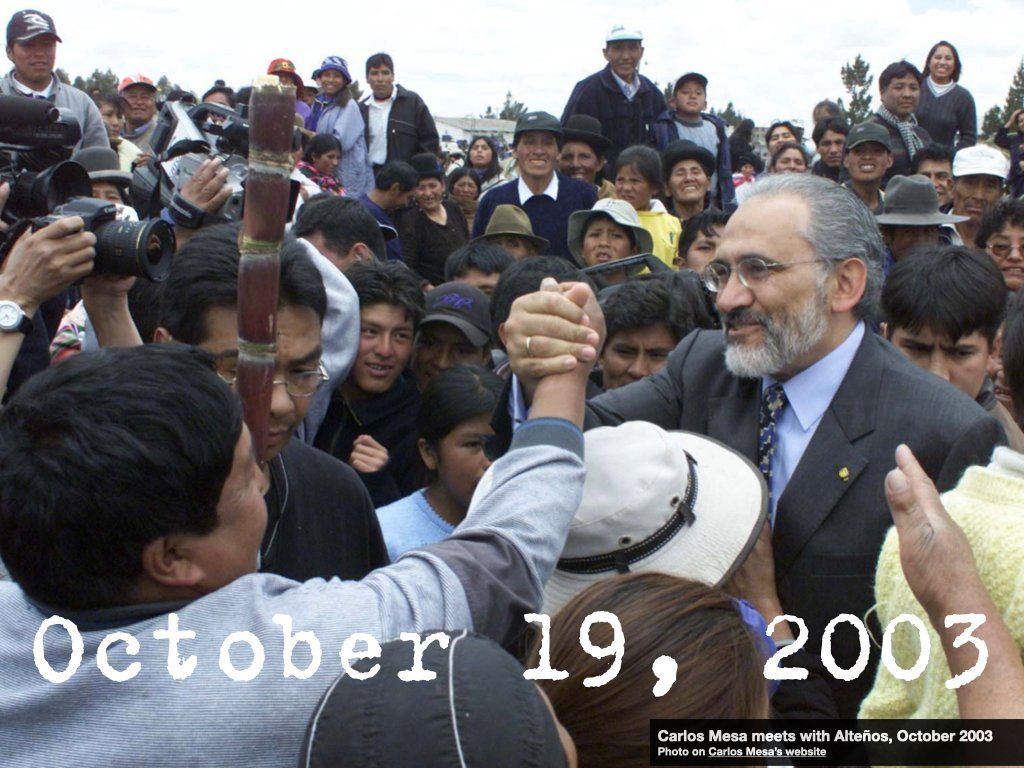

 ♻️ 2 Retweets
❤️ 10 Favorites
Mood +1 🙂
♻️ 2 Retweets
❤️ 10 Favorites
Mood +1 🙂
-
Lethal repression often fails, "leading to power shifts by increasing the internal solidarity of the resistance campaign, creating dissent and conflicts among [regime] supporters, [and] increasing external support for the resistance campaign" (Chenoweth & Stephan 2011).Permalink On twitter.com
Mood +1 🙂
-
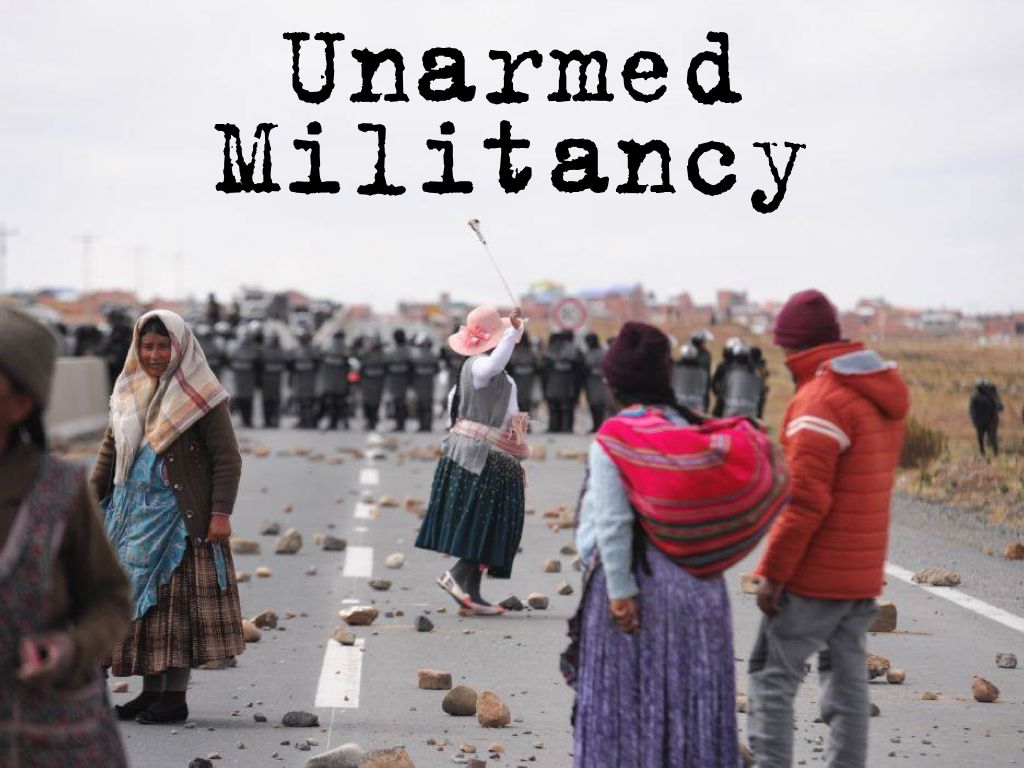
But "backfire," a concept articulated by Brian Martin, has an uncertain relationship with the kinds of tactics that predominate in Bolivian movements, what I call "unarmed militancy."Permalink On twitter.com
 Mood -1 🙁
-
Unarmed militants refuse to yield in confrontations with state forces; they fight back in uneven contests in order to hold physical space, obstruct the flows of daily life, and impose social costs.Permalink On twitter.com
Mood -6 🙁
-
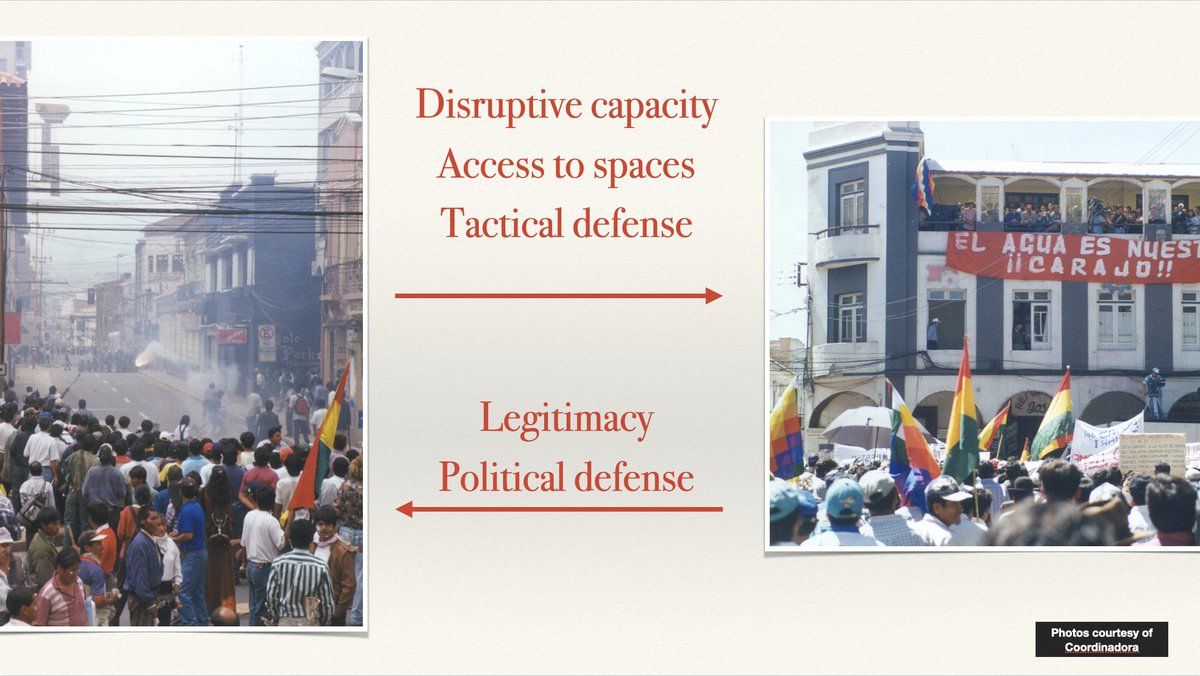
Unarmed militants often maintain cooperative, even immersive, relationships with larger mass movements, particularly in mass movements of the Global South. The relationship can be mutually beneficial. woborders.blog/published-elsewhere/unarmed-militancy/Permalink On twitter.com
 Mood 0
-
However, theorists of backfire (Martin, Sharp, Lakey, Chenoweth & Stephan) are generally skeptical of any fighting back, something that runs counter to the tradition of nonviolence from which it, and the equivalent "political jiu-jitsu" emerged.Permalink On twitter.com
Mood -4 🙁
-
Chenoweth and Stephan argue that both the likelihood and the strength of backfire are amplified when a movement maintains nonviolent discipline and clear contrast between their nonviolent means and the violence used by their state opponents.Permalink On twitter.com
Mood 0
-
Chenoweth's advice: "‘neither fighting back with their own counterviolence or … retreating in disarray." But Bolivian movements responded differently, fighting to hold space, and sometimes causing fatalities among security forces. What happened then? x.com/CarwilBJ/status/1783876854421549205Permalink On twitter.com
❤️ 1 Favorite
Mood -7 🙁