-
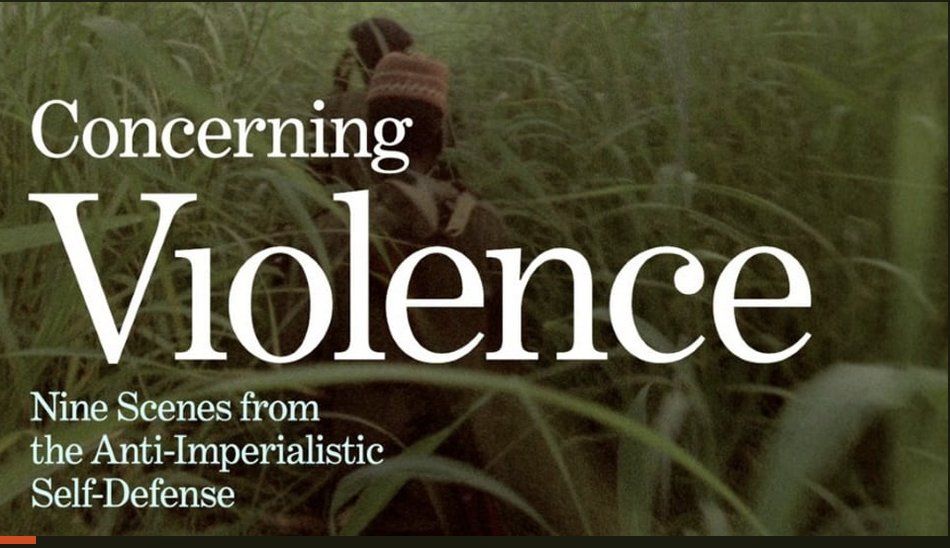
How did the existence of this film on anticolonial resistance slip past me? Watching "Concerning Violence" (2014), a Fanonian meditation by the same director as "Black Power Mixtape," and narrated by Lauryn Hill.Permalink On twitter.com

 ♻️ 3 Retweets
❤️ 21 Favorites
Mood -4 🙁
♻️ 3 Retweets
❤️ 21 Favorites
Mood -4 🙁
-
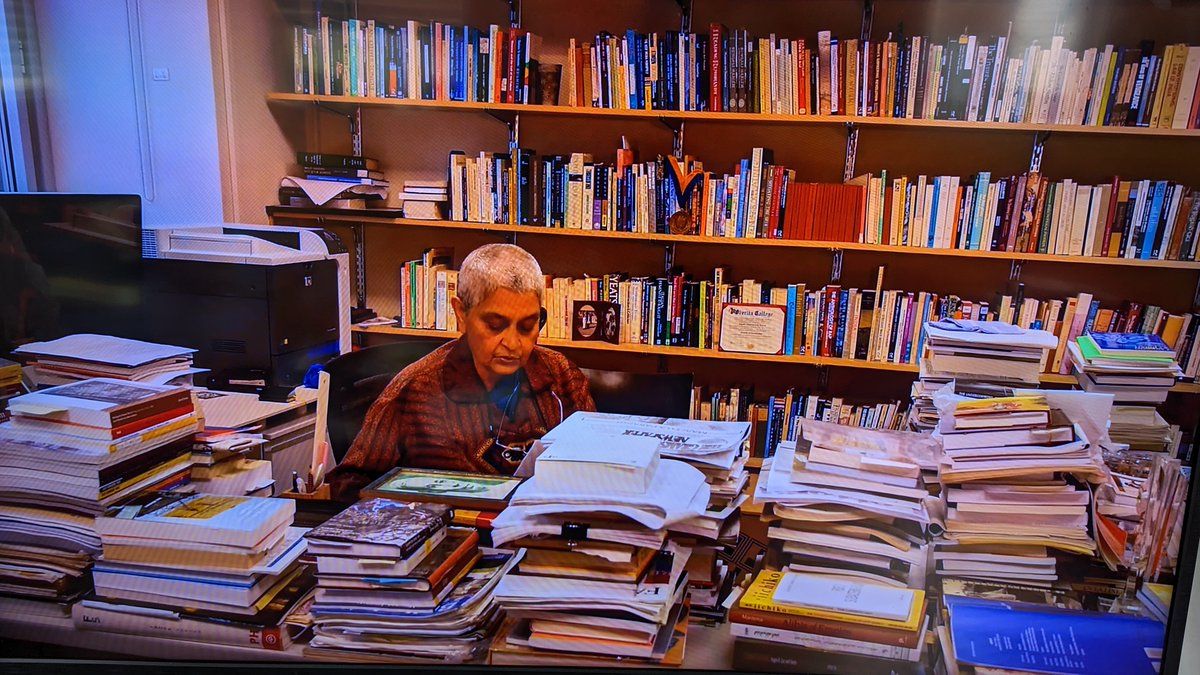
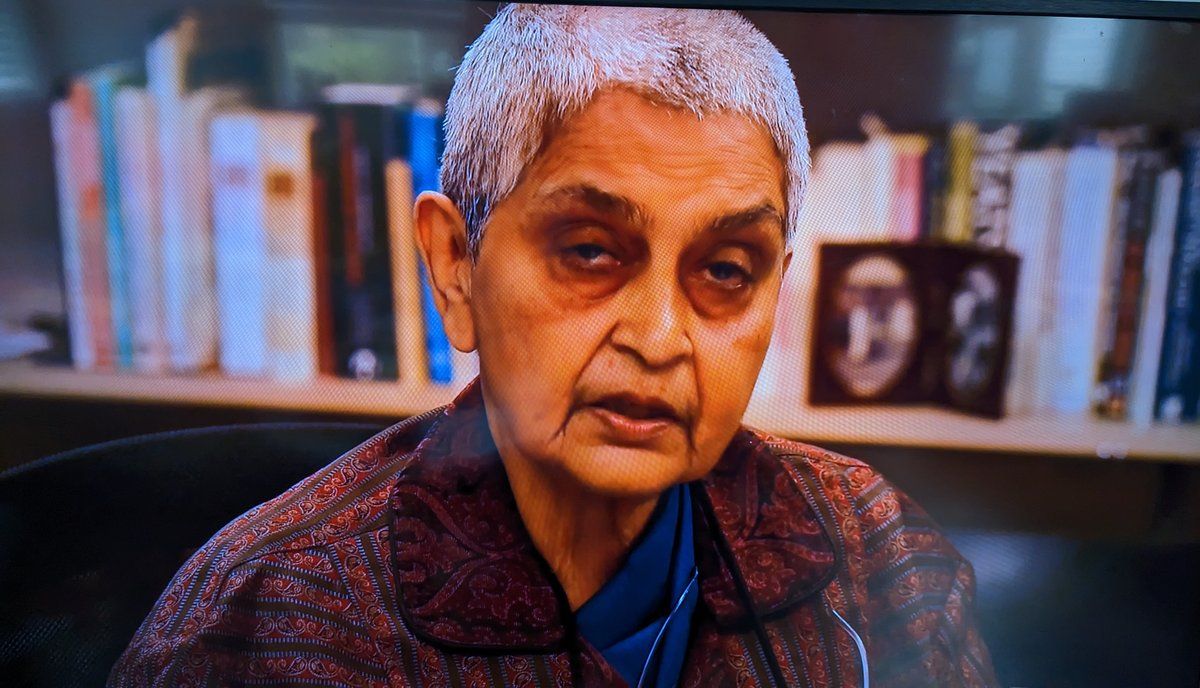
0. Gayatri Spivak in her office, surrounded by decades worth of reading, offers the opening, a philosopher's benediction on Frantz Fanon.Permalink On twitter.com
 ❤️ 2 Favorites
Mood +2 🙂
❤️ 2 Favorites
Mood +2 🙂
-
1. Five minutes in and I've probably already seen a more intimate video relation of anticolonial military resistance than on offer from mainstream film in much of my lifetime. For precedents, I'm forced to fall back on Battle of Algiers, and that was staged, foreign, monochrome.Permalink On twitter.com
❤️ 2 Favorites
Mood -2 🙁
-
2. The African independence leader in a tie, but telling of captivity as a political prisoner, is also a rare sight on film. Complicating all kinds of polarities about race, education, legitimacy, morality, insider/outsider.Permalink On twitter.com
❤️ 1 Favorite
Mood -4 🙁
-
3. Woah, white Rhodesians had patriotic folk songs about Cecil Rhodes. The open racism and fear of this Rhodesian interviewee is stunning. He's moving to South Africa, where he likes his odds better: "1 could take out four [slur] before they take me out."Permalink On twitter.com
Mood +3 🙂
-
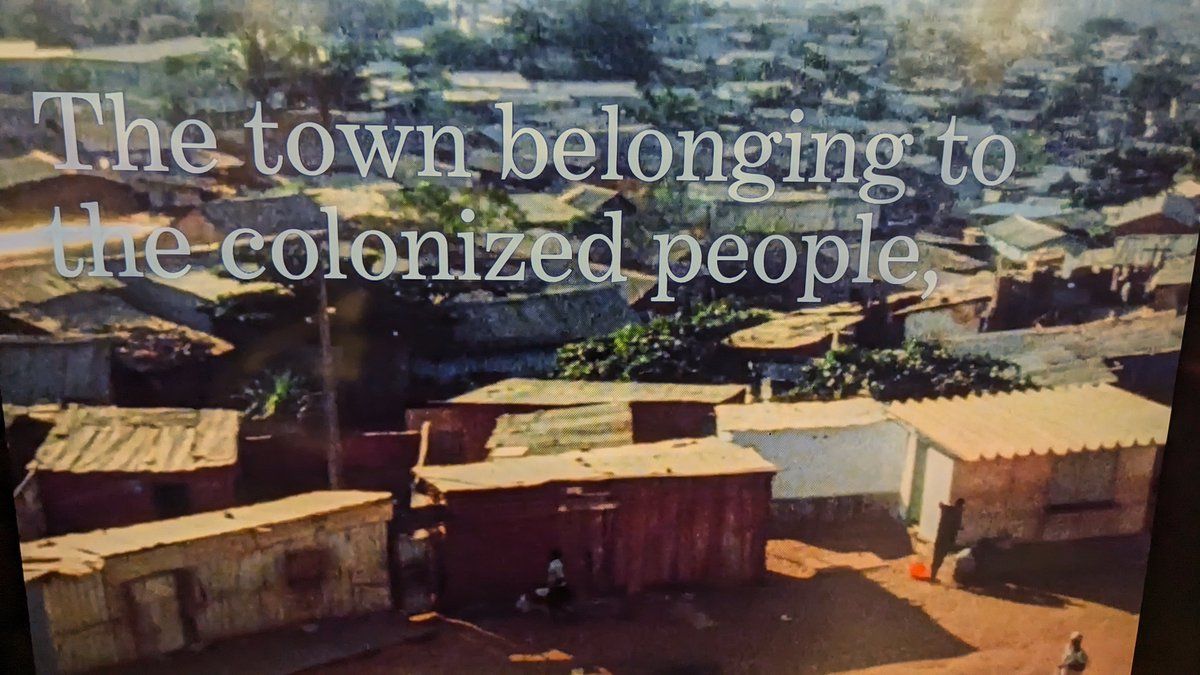
4. Lauryn Hill speaking Fanon's analysis of the Manichean geography of colonialism: "A world cut in two … in the colonies, it is the policeman and the soldier," and she brings a remarkable indignance to every phrase.Permalink On twitter.com
 Mood +1 🙂
-
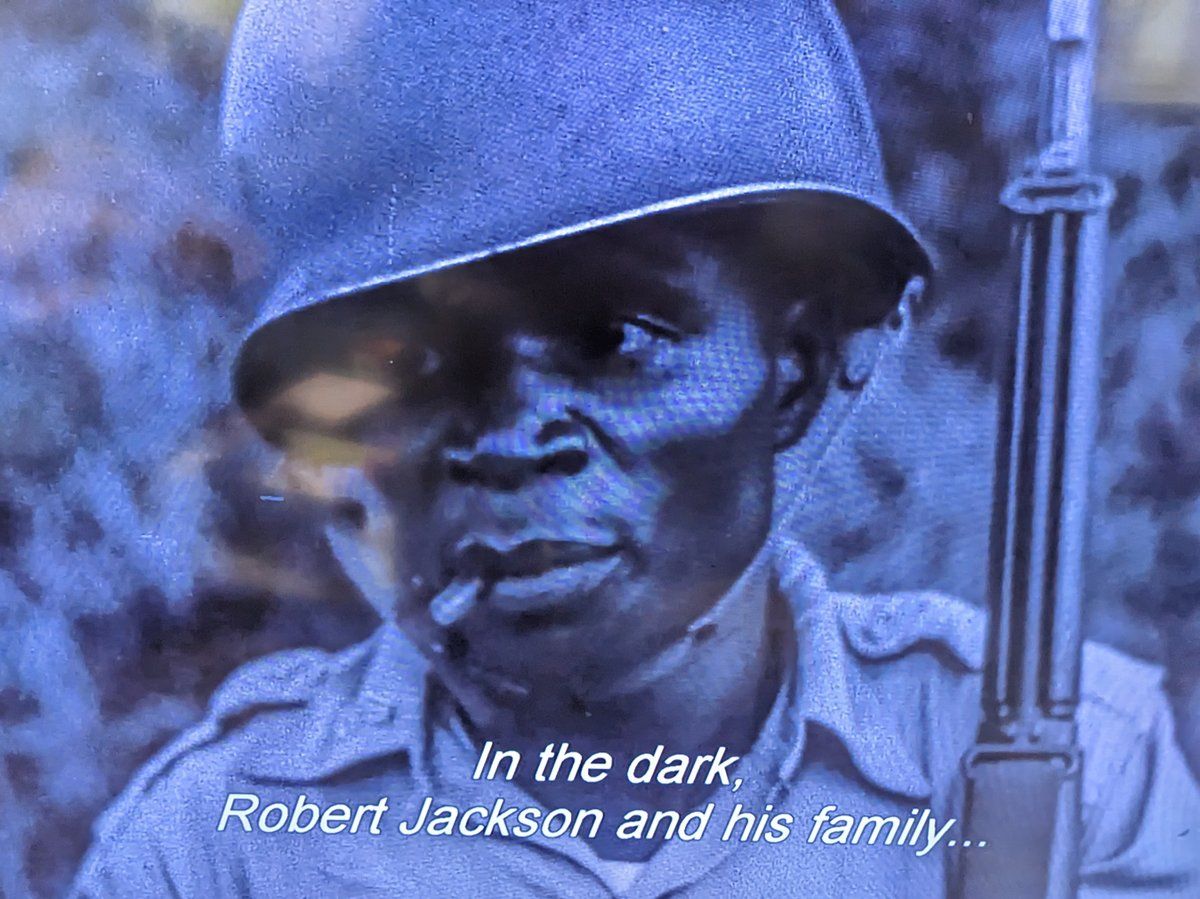
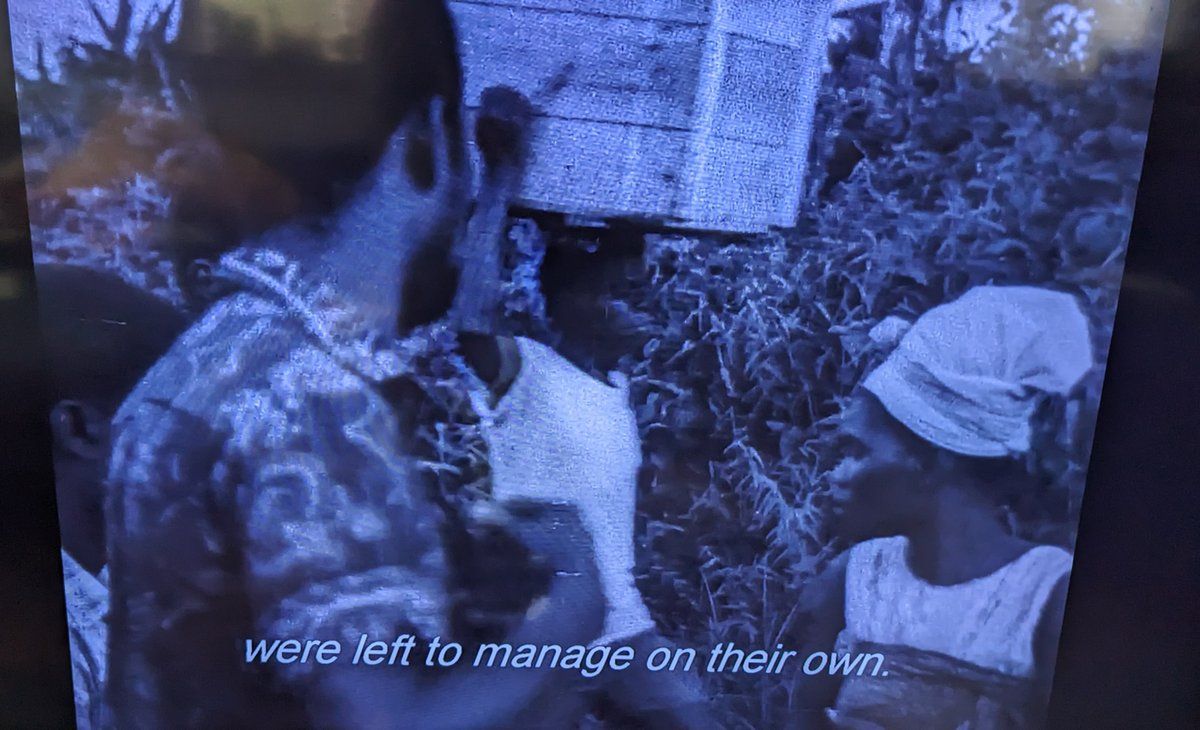
5. A strike at LAMCO mine, a Swedish-American firm in Liberia, is shown in archival film. The employers lead the union leaders to prison and torture. Soldiers evict 30 strike-leading workers from their homes.Permalink On twitter.com
Mood -7 🙁
-
It's a bloodless dispossession, accomplished by Black soldiers for a nominally independent Liberian government, on behalf of an openly condescendingly racist employer whose manager calls one worker in question "one of the best" and also "boy."Permalink On twitter.com
 Mood +2 🙂
-
6. From any look at colonial newsreels, visual evidence of racial hierarchy was everywhere in Western life. Until it was overthrown, and then it was suddenly nowhere. Whence this erasure? Who chose not to turn newsreels into history books?Permalink On twitter.com
 Mood 0
-
Of course a large part of the answer is this: Mere depiction of visceral oppression is incitement to rebellion. Absent conditions of ambient fear, these images are not shocking, but motivating of embodied resistance (as Fanon well described).Permalink On twitter.com
Mood -2 🙁
-
If we saw a daily recounting of the violence of eviction, of the poor cast out of their homes, we could stomach it no longer.On twitter.com
Mood -7 🙁
-
Hence also the investment in constantly providing us imagery of racial others threatening violence to us, in every police procedural and (for decades at least) most action adventure films.Permalink On twitter.com
Mood -3 🙁
-
Side note: My father, who was a medic assigned to British forces in WW2, never shook the image of British soldiers "kicking the butts" of Arab men in Mediterranean ports.Permalink On twitter.com
Mood 0
-
This was not, as I first assumed, a euphemism for fighting, but a form of on-street abuse enabled by the colonial racial order.Permalink On twitter.com
Mood -5 🙁
-
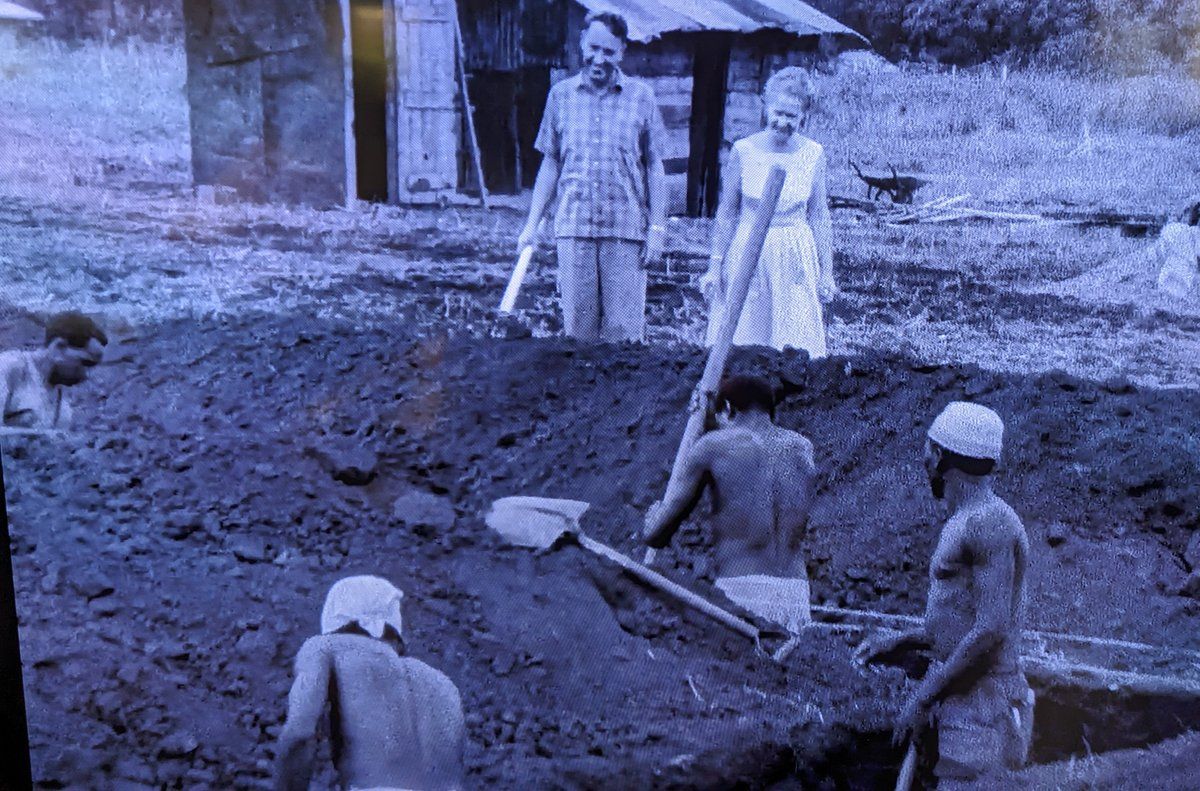
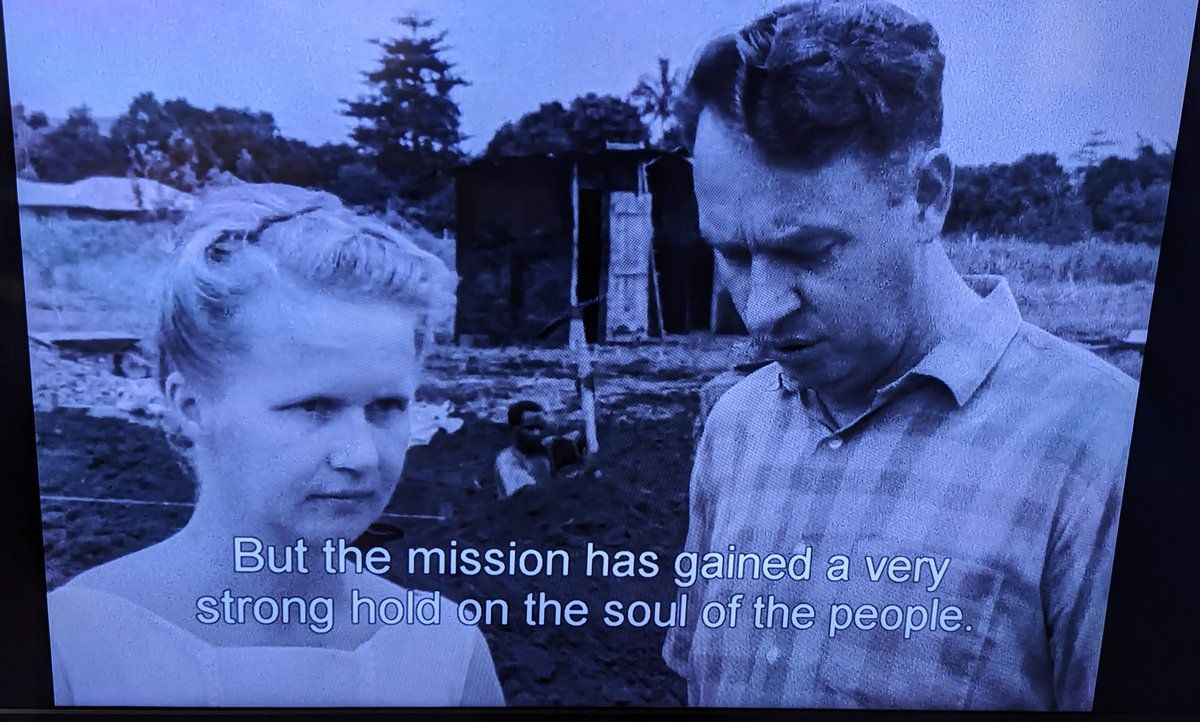
This couple standing over the ditch are missionaries in independent Tanzania, who arrived in 1952, during the colonial period. The building under construction is a church, which they (per the interview) see greater need for than a school or hospital.Permalink On twitter.com
 Mood +3 🙂
-
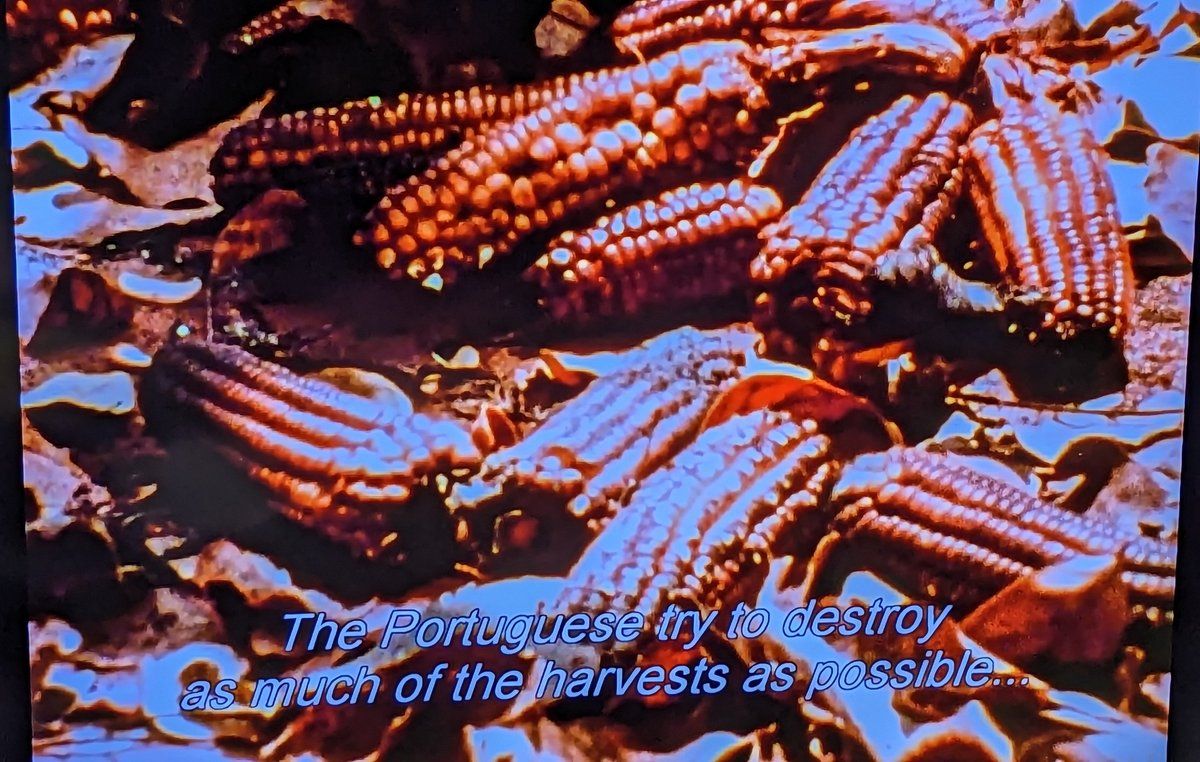
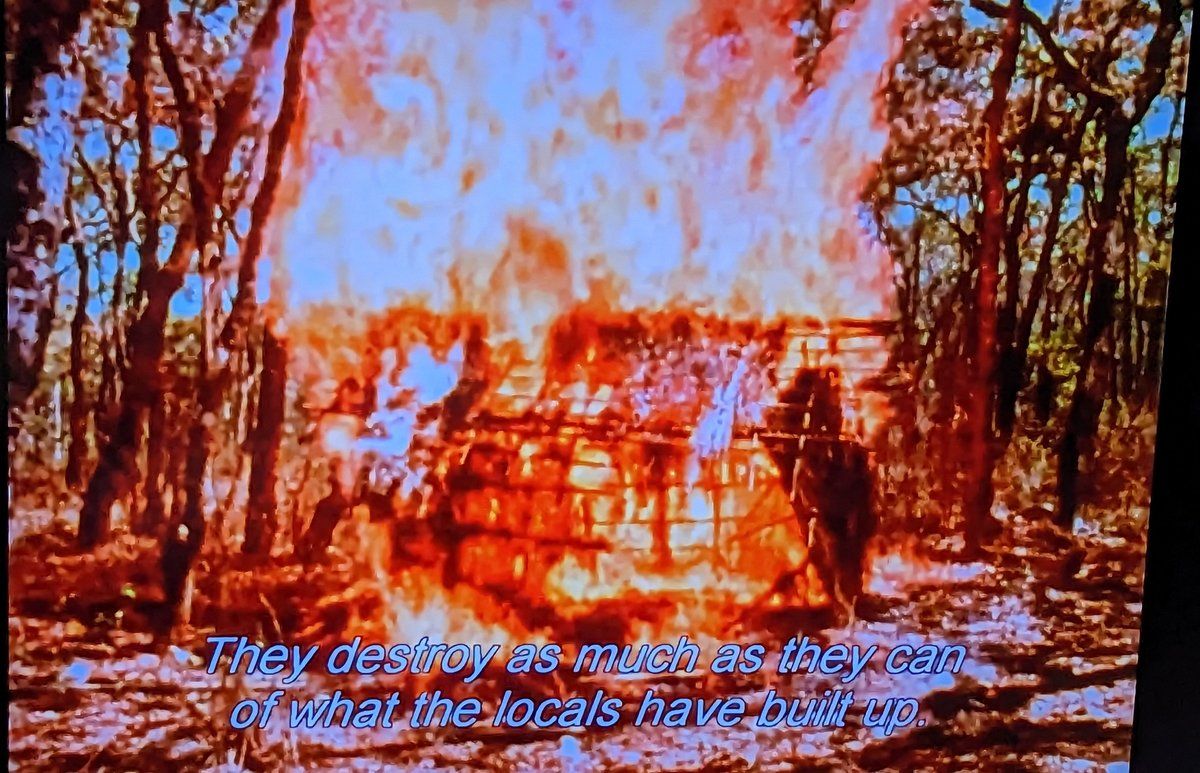
7. Now we return full circle to the moment of guerrilla armed struggle. The site is Mozambique, in revolt against Portuguese rule and the combination of air power and napalm the US used simultaneously in Vietnam.Permalink On twitter.com
 Mood -2 🙁
-
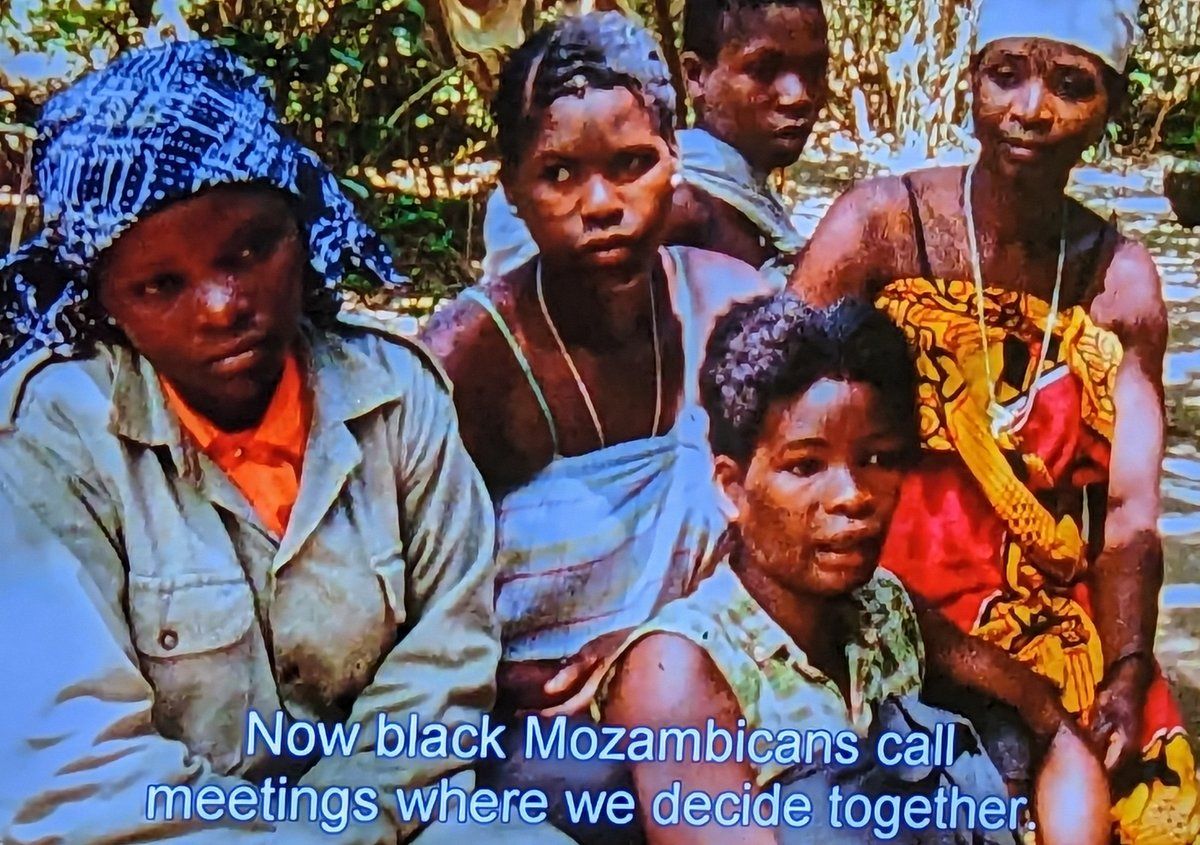
Against this we meet young women and men in FRELIMO, spouting political theory, celebrating women's equal participation in their organization, and reflecting on the sacrifice of their involvement.Permalink On twitter.com
 Mood +3 🙂
-
"Everywhere is war" — These are the exact human beings spoken of in Marley's song. "And until the ignoble and unhappy regime That hold our brothers in Angola In Mozambique South Africa Sub-human bondage Have been toppled Utterly destroyed Well, everywhere is war"Permalink On twitter.com
Mood -9 🙁
-
And that war is cruel and the film unflinching in portraying the suffering on the level of individual people: a baby, a child, and a mother who have each lost limbs to this conflict.Permalink On twitter.com
Mood -12 🙁
-
"So the world unites, in one and the same place, the greatest joy and the greatest affliction, the consoling smell of wholesome humours and the foul stench of a gangrenous wound, in order to invent heaven and hell, a man would need to know nothing except the human body"—SaramagoPermalink On twitter.com
Mood +4 🙂
-
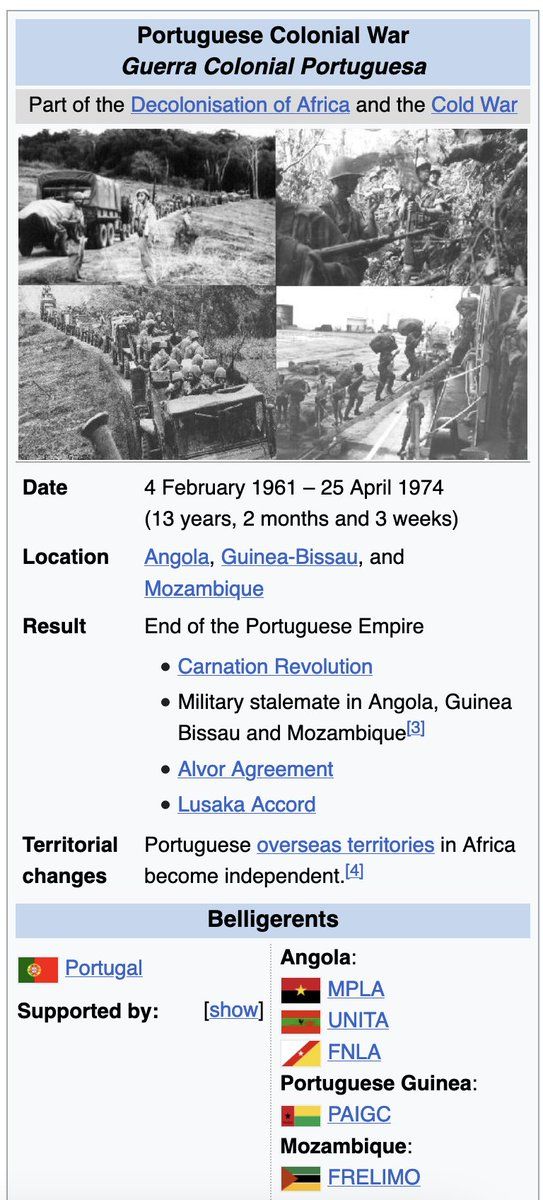
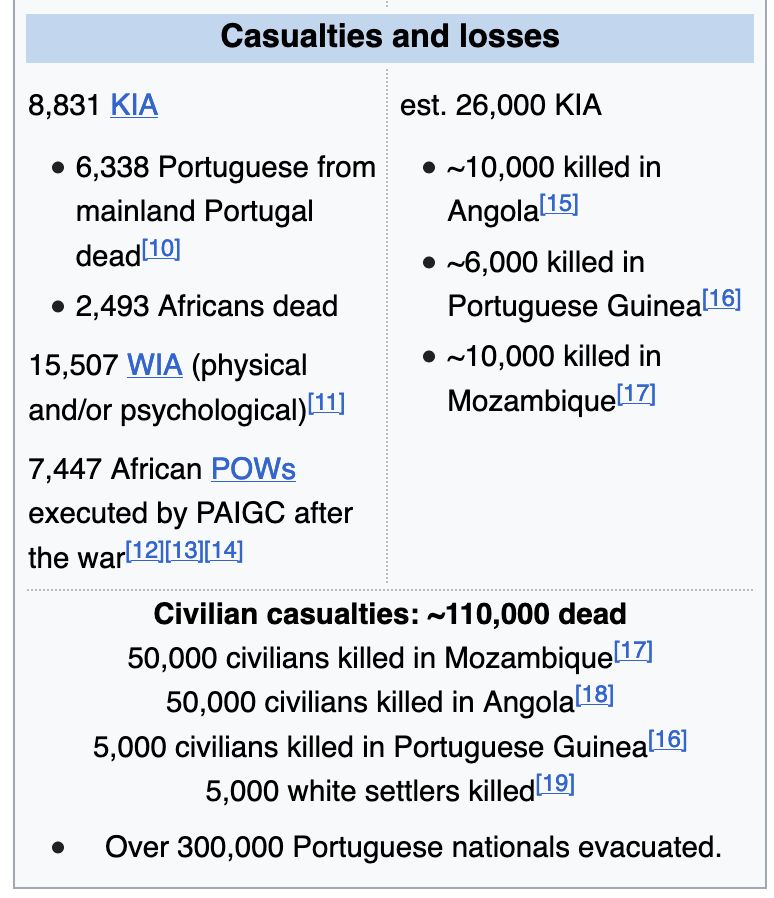
8. For fourteen years, Portuguese soldiers conscripted by a military dictatorship were at war with volunteer guerrillas in Angola, Guinea Bissau, Cabo Verde, and Mozambique.Permalink On twitter.com
 Mood -2 🙁
-
9. Natural resources and neocolonialism: Fanon, voiced by Hill, again narrates the tremendous material extraction that has enabled European wealth. Then an interview w/ Thomas Sankara, who ruled Burkina Faso 1983-87, offering challenges to IMF governance.Permalink On twitter.com
Mood +4 🙂
-
10. Fanon gets the last word, quoting from the conclusion of Wretched of the Earth: "But if we want humanity to advance a step farther, if we want to bring it up to a different level than that which Europe has shown it, then we must invent and we must make discoveries."Permalink On twitter.com
Mood +2 🙂