-
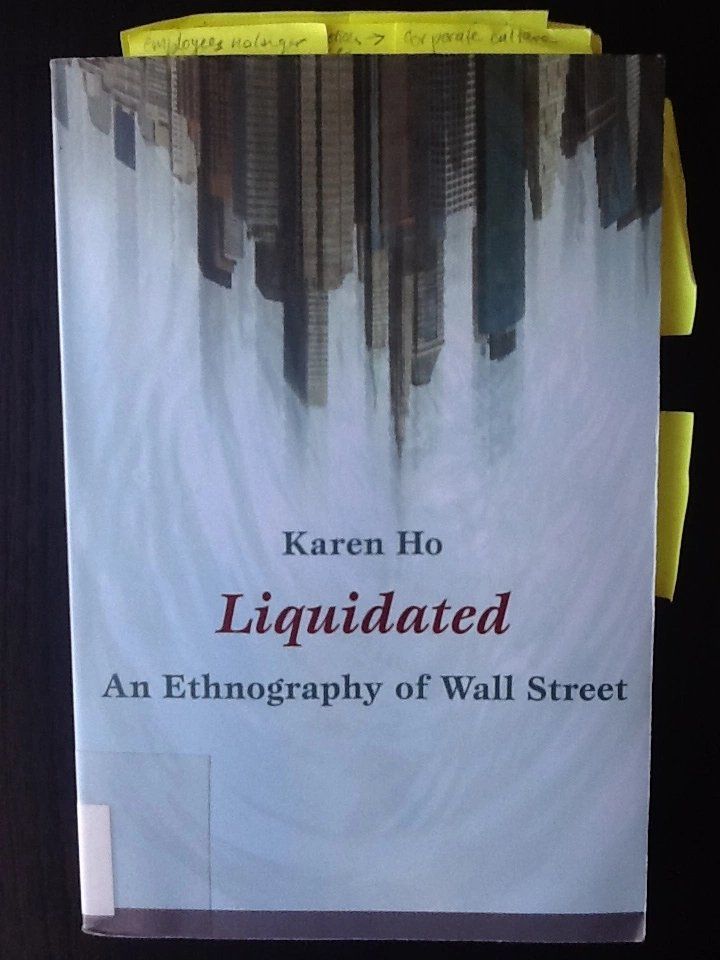
Karen Ho's Liquidated described how Wall Street redefined corporations, which they had long seen only as stock prices, by leveraging control over corporate management.Permalink On twitter.com

 ♻️ 1 Retweets
Mood 0
♻️ 1 Retweets
Mood 0
-
This redefined corporations as purely objects of shareholder value, unbeholden to other stakeholders: workers, host communities, public reputation etc.Permalink On twitter.com
♻️ 1 Retweets
Mood 0
-
Karen Ho: The Wall Street takeover was aided by academic voices, who were "fundamentally uncomfortable with the modern corporation," described it as "schizophrenic," "organized anarchy"…On twitter.com
Mood -2 🙁
-
e.g., Michael Jensen, "logically impossible to maximize in more than one dimension" "If there had to be just one objective of the corporation, maximizing shareholder value was the obvious choice."Permalink On twitter.com
Mood 0
-
This converged with social scientists who critiqued the failures of bureaucratic organizations as overly rigid and inflexible.Permalink On twitter.com
Mood -2 🙁
-
So we can think of the "vanishing American corporation": Many fewer stock-exchange listed corporations than before.Permalink On twitter.com
♻️ 1 Retweets
Mood 0
-
Most public corporations today are owned by funds: BlackRock has 5% in 1,803 corporations. Fidelity is largest shareholder of 10% of corporations. Average lifespan of public company has fallen from 75 years to 15.Permalink On twitter.com
♻️ 1 Retweets
Mood -2 🙁
-
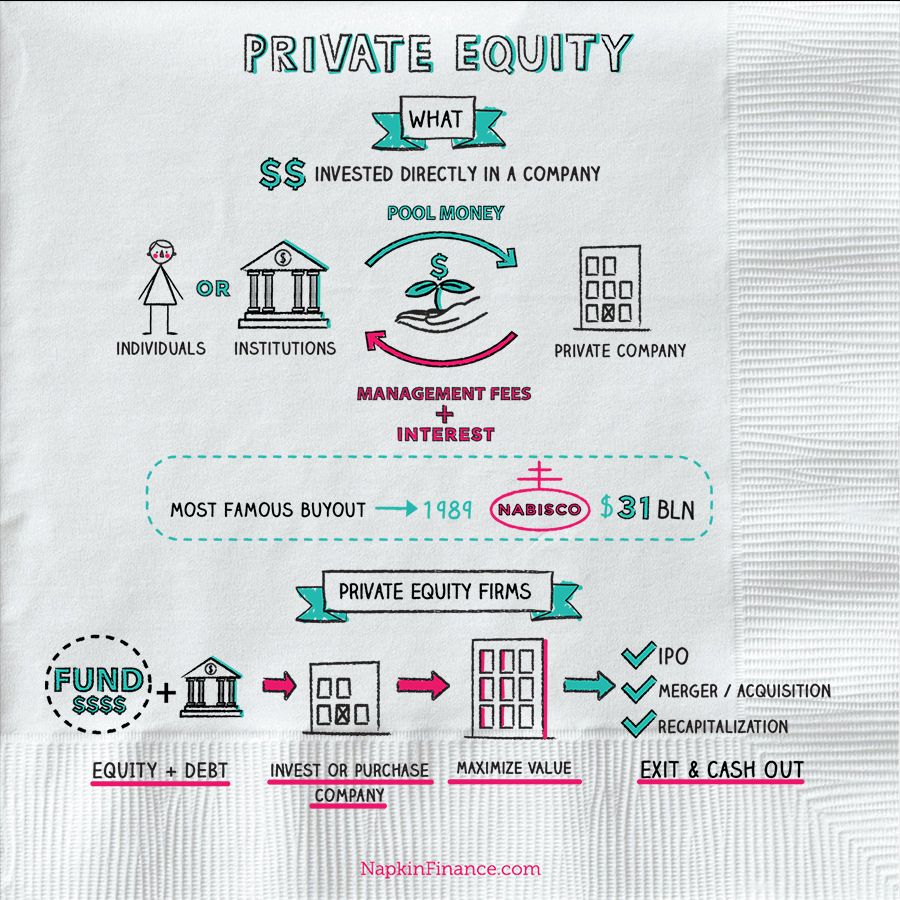
So, what's after the public corporation? Look at the Private Equity sector, which purchases corporation, installs management, and must sell it again w/ a short time horizon.Permalink On twitter.com
 ♻️ 1 Retweets
Mood 0
♻️ 1 Retweets
Mood 0
-
When held by private equity funds, corporations become "portfolio corporations," only valuable based on changes in stock prices.Permalink On twitter.com
♻️ 1 Retweets
Mood 0
-
For example, Harry & David fruit company redirected towards returns to its Wall Street owners, then sent into bankruptcy, a public pension bailout, and finally sold to 1-800-FLOWERS. articles.latimes.com/2011/mar/29/business/la-fi-harry-and-david-20110329Permalink On twitter.com
Mood -5 🙁
-
The Capitalist Dilemma: "Doing the right thing for long-term prosperity is the wrong thing for most investors." (published in Harvard Business Review: hbr.org/2014/06/the-capitalists-dilemma)Permalink On twitter.com
♻️ 1 Retweets
Mood 0
-
Redirection of corporate profits to buy back company's stock diverts away from productive investment… e.g., Exxon, Microsoft, IBM, Cisco, Procter & Gamble. hbr.org/2014/09/profits-without-prosperityPermalink On twitter.com
♻️ 1 Retweets
Mood +2 🙂
-
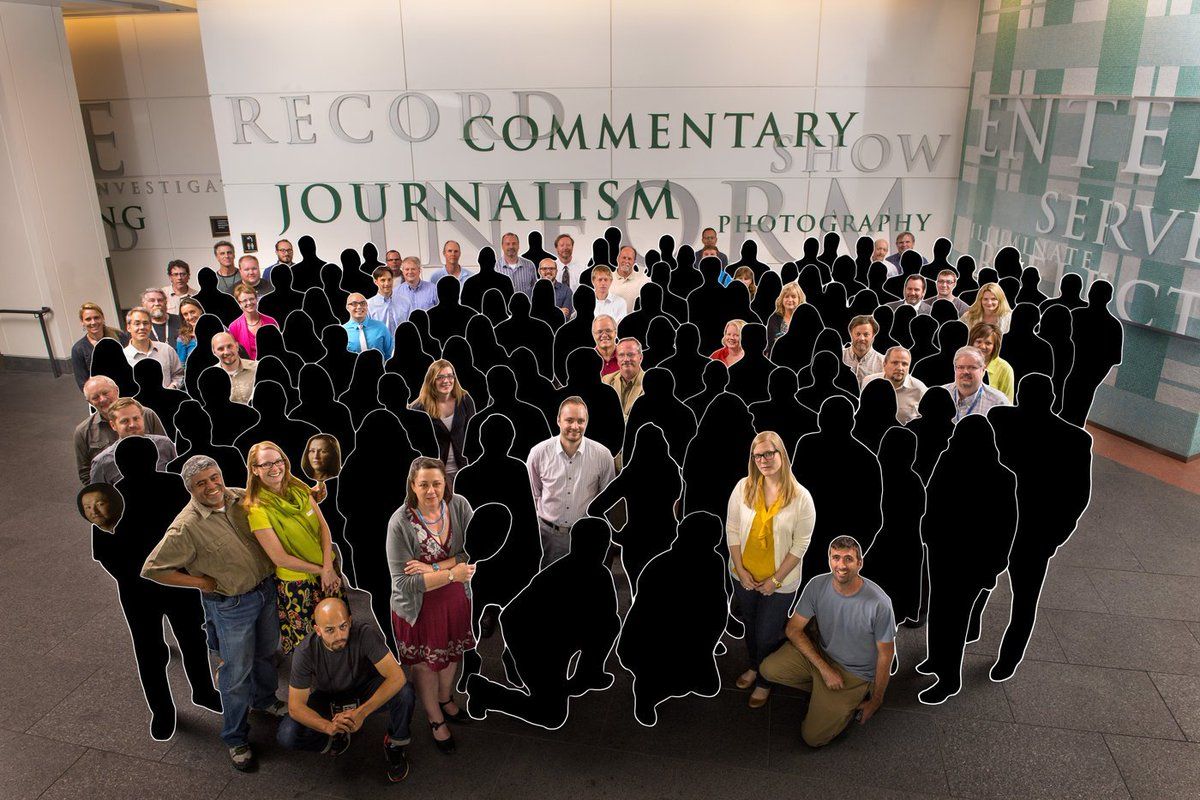
In another domain, Hedge Fund purchase and downsizing of newspapers. e.g. Alden Global at the Denver Post. Photo shows 2013 journalists remaining five years later.Permalink On twitter.com
 ♻️ 1 Retweets
Mood 0
♻️ 1 Retweets
Mood 0