-
I'll be live tweeting this talk by Chris Rodning… @VandyAnthro/1091399453330886657 #anthropology #ArchaeologyPermalink On twitter.com

 ♻️ 1 Retweets
Mood 0
♻️ 1 Retweets
Mood 0
-
Focus of the talk is Joara, an ancestral Catawba town (known as "the Berry site") and the Spanish Fort San Juan in present-day North Carolina. en.wikipedia.org/wiki/Fort_San_Juan_(Joara)Permalink On twitter.com
♻️ 1 Retweets
Mood 0
-
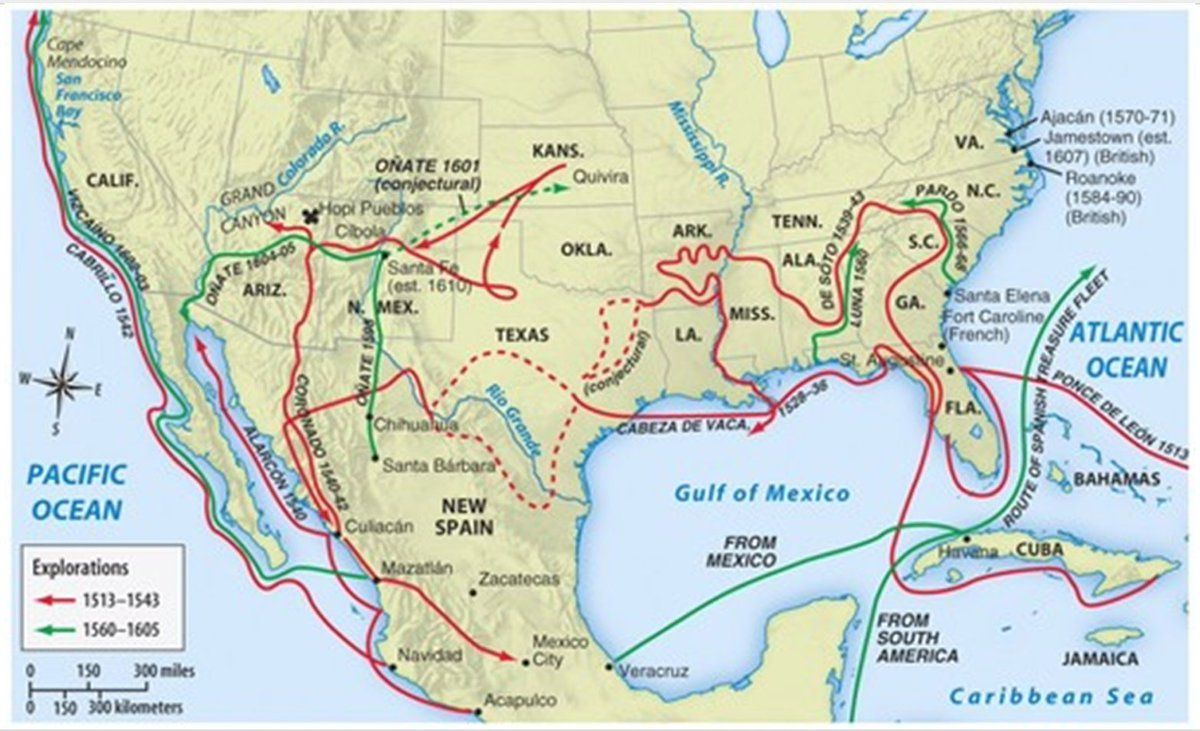
Early stages of Spanish presence in North American southeast… Ponce de León in coastal Florida; Hernando de Soto in interior marches (w/ conscripted laborers) 1539-42Permalink On twitter.com
 ♻️ 1 Retweets
❤️ 1 Favorite
Mood 0
♻️ 1 Retweets
❤️ 1 Favorite
Mood 0
-
De Soto records include polity of "Xuala" | Chris Rodning: We believe this is the same as Joara in the 1560s.Permalink On twitter.com
♻️ 1 Retweets
Mood 0
-
Juan Pardo w/ 250 men traverses smaller area beginning in Santa Elena (later Parris Island, SC) and travels inland to establish Fort San Juan in 1567.Permalink On twitter.com
♻️ 1 Retweets
Mood 0
-
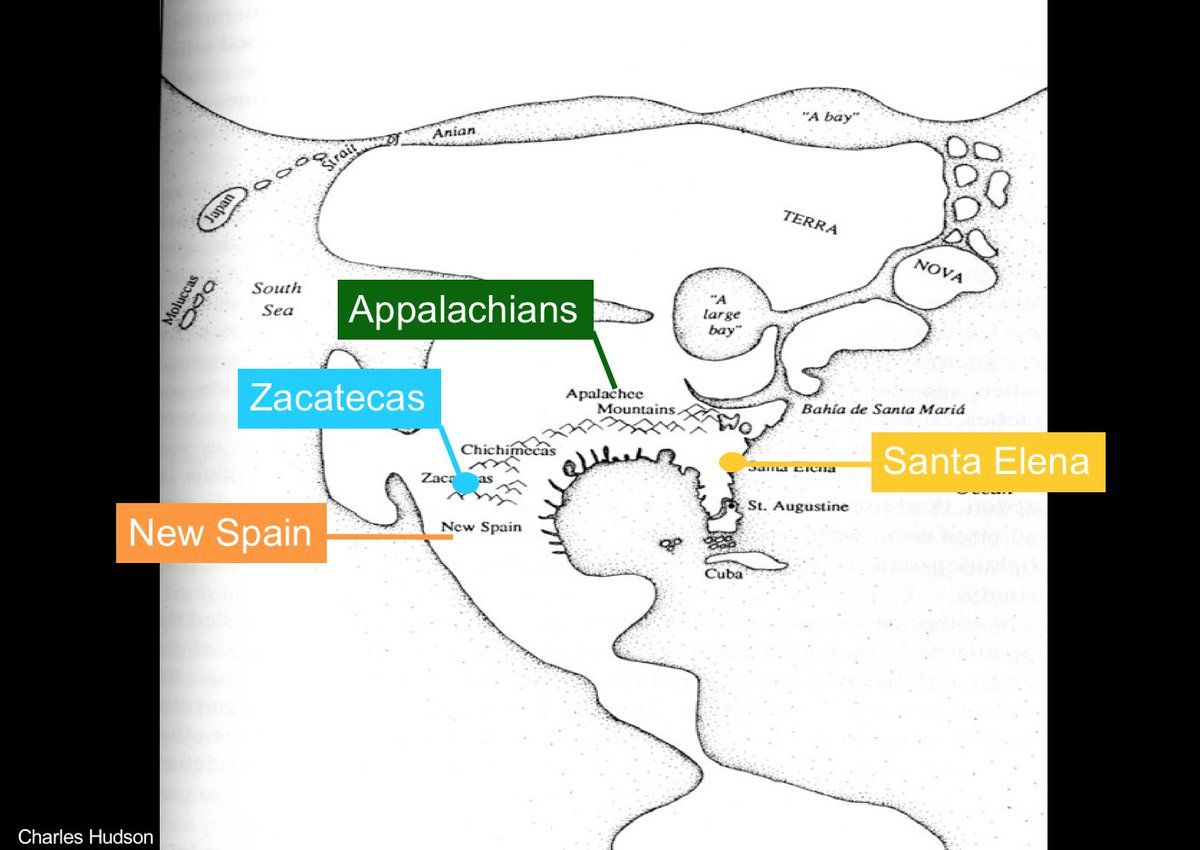
Pardo (now w/ 125 men) was under orders to establish Spanish colonial towns in an (implausibly long) arc to Zacatecas, Mexico, site of major silver mines. Spanish perhaps confused Appalachian and Rocky Mountains in proposing this.Permalink On twitter.com
 ♻️ 1 Retweets
Mood -2 🙁
♻️ 1 Retweets
Mood -2 🙁
-
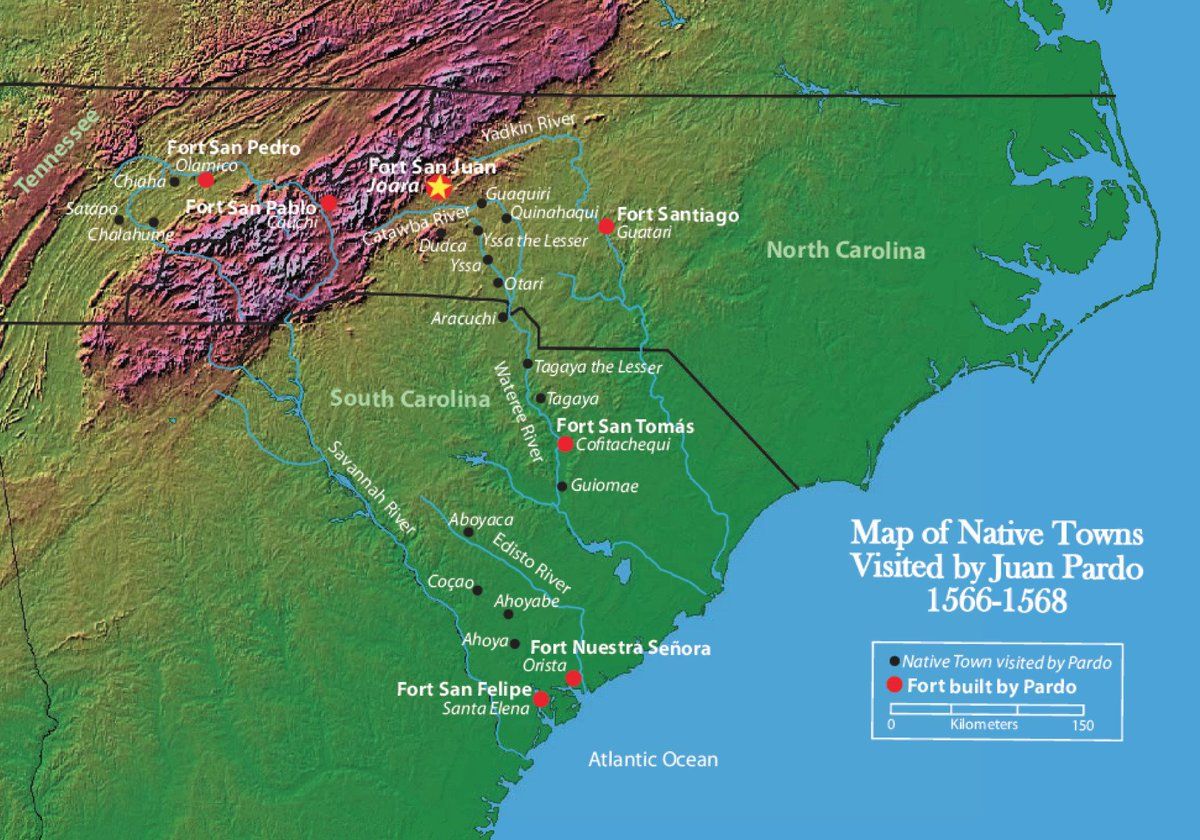
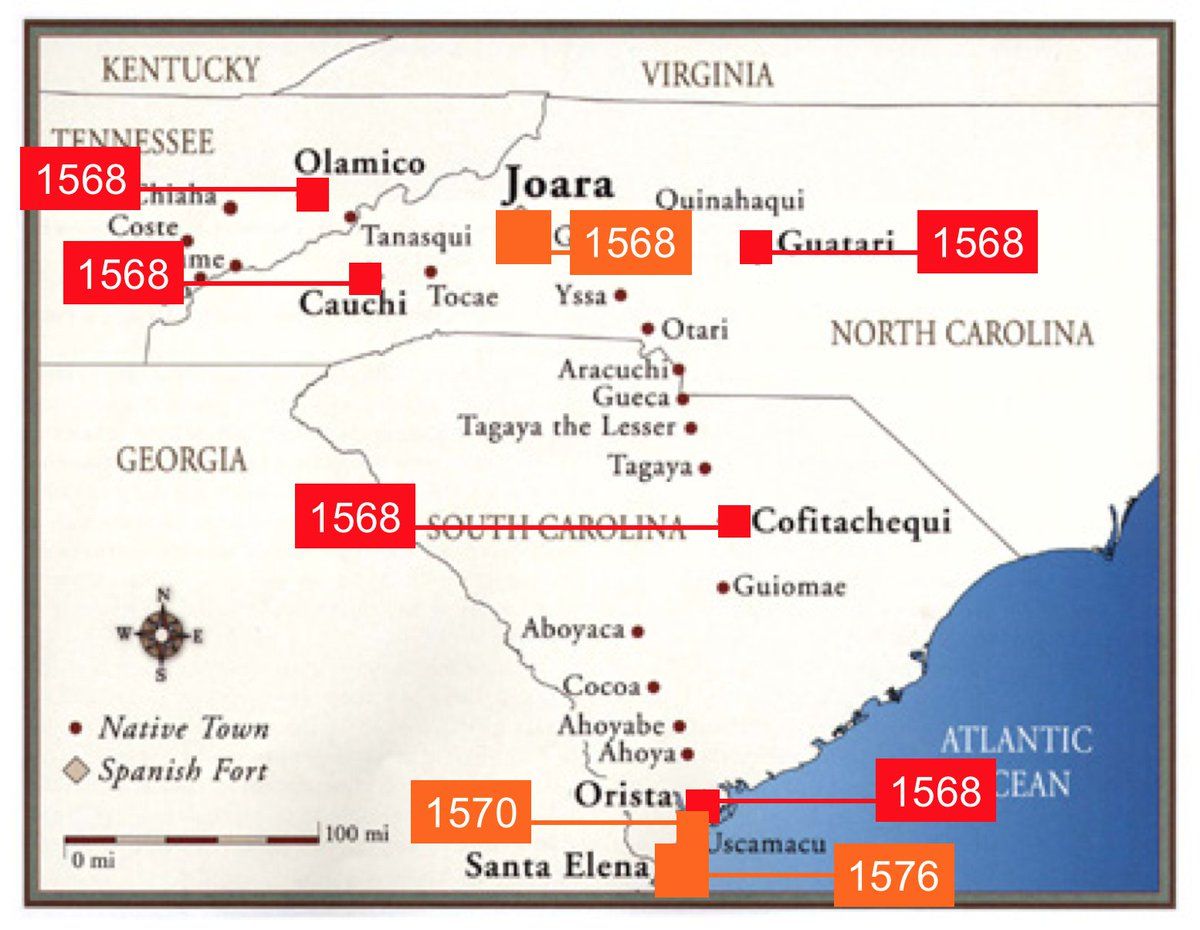
This is Juan Pardo's 1566/1567 journey through Native American towns, establishing a series of forts along the way.Permalink On twitter.com
 ♻️ 1 Retweets
Mood 0
♻️ 1 Retweets
Mood 0
-
In 1568, Native Americans attacked Fort San Juan and all of the other forts (dark orange in this map) established by Juan Pardo. A single Spanish soldier escaped to return to Santa Elena.Permalink On twitter.com
 ♻️ 1 Retweets
Mood -1 🙁
♻️ 1 Retweets
Mood -1 🙁
-
Rodning: After this major setback, Spanish shift strategies towards missionization and trade.Permalink On twitter.com
♻️ 1 Retweets
Mood 0
-
Rodning: Juan Pardo arrived and used a strategy of diplomacy and gift giving, asking for construction aid to house his soldiers. Apparently, indigenous communities saw gifts as signal of ongoing reciprocity, which would not continue.Permalink On twitter.com
♻️ 1 Retweets
Mood +2 🙂
-
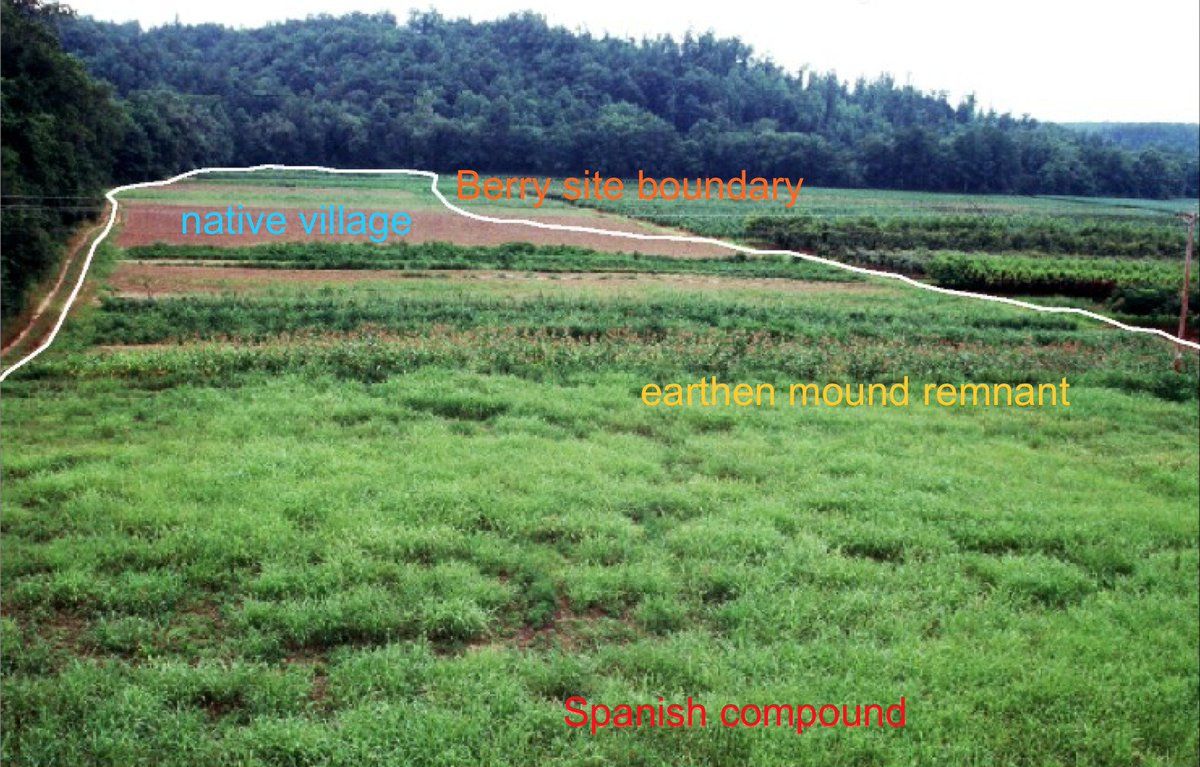
The Berry Site, a 4.9 hectare location with Native American artifacts and mound remnants, is the largest in its local region.Permalink On twitter.com
 ♻️ 1 Retweets
❤️ 1 Favorite
Mood 0
♻️ 1 Retweets
❤️ 1 Favorite
Mood 0
-
This bowl (3D model in link) is an example of a Native artifact from the site. sketchfab.com/models/6d889a7e3b2541b3b4be3d9910611da4Permalink On twitter.com
♻️ 1 Retweets
Mood 0
-
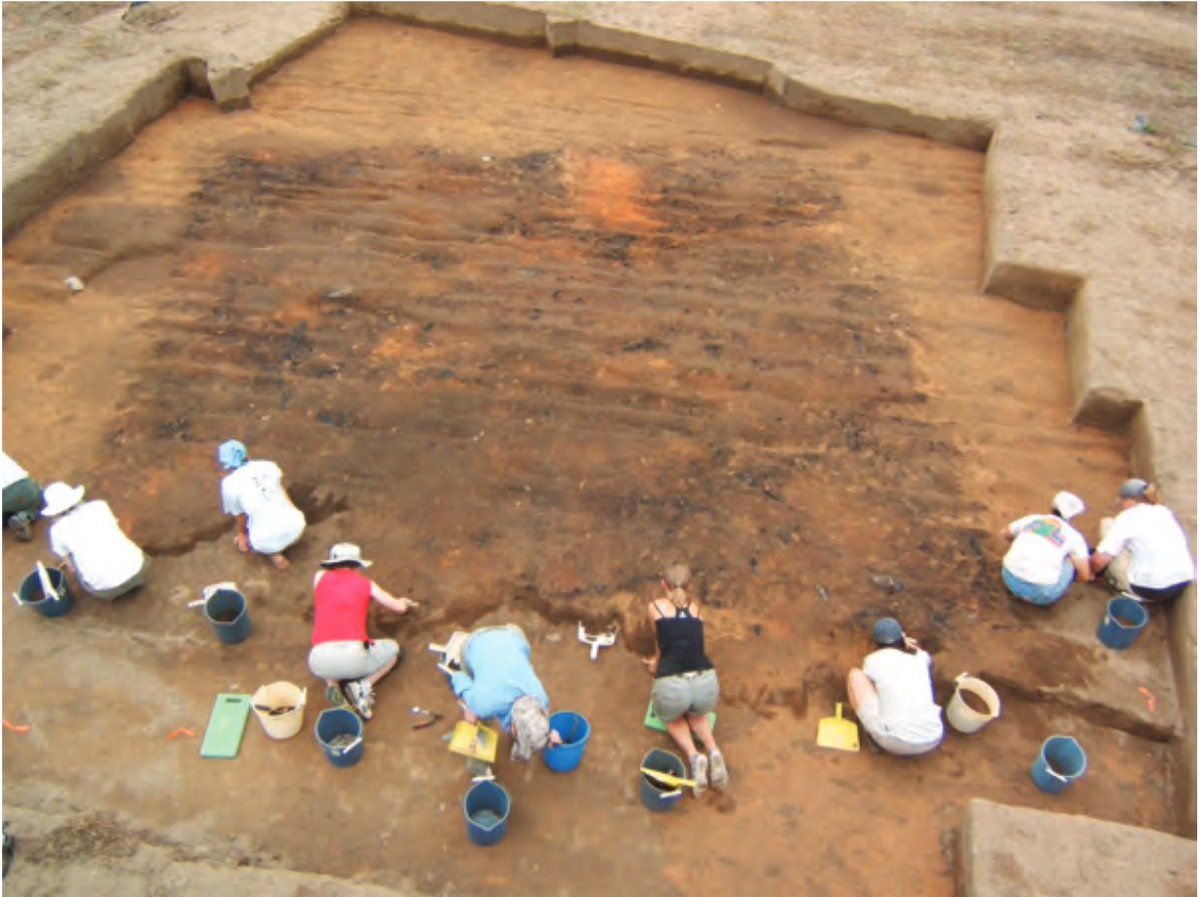
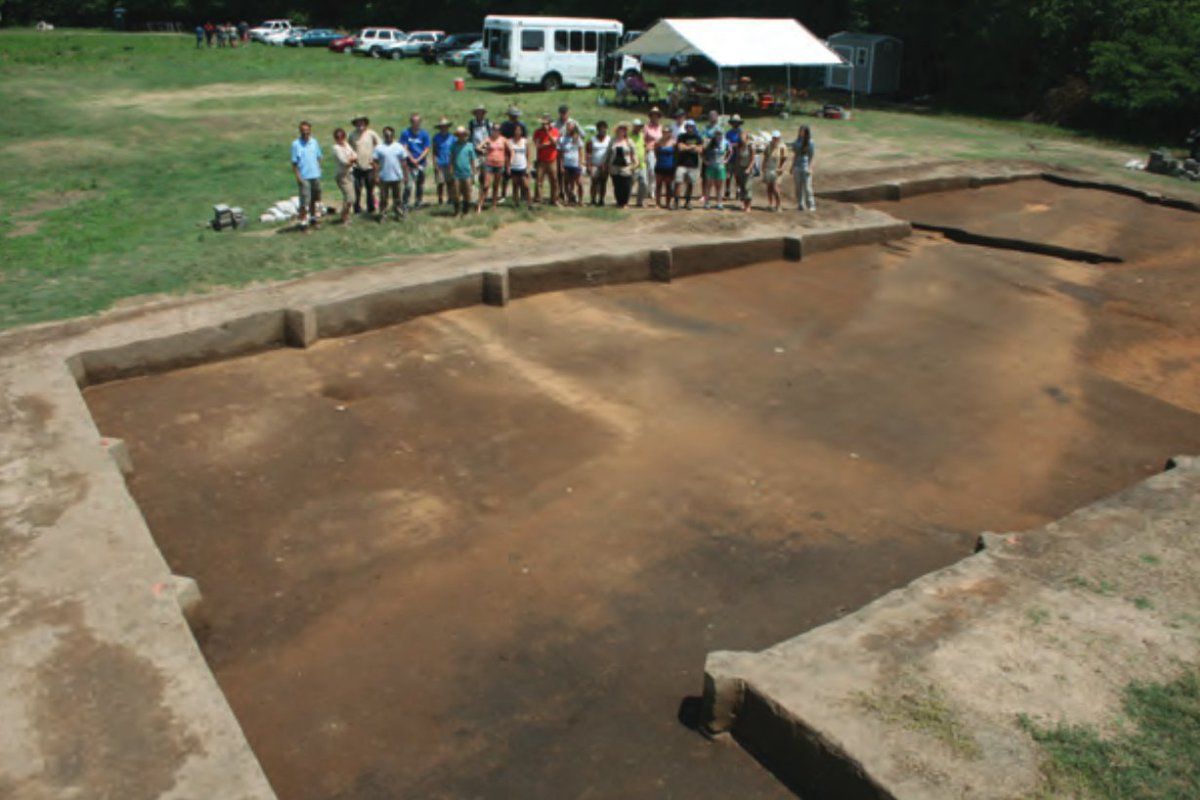
Buildings excavated on site are the burned remnants of buildings that collapsed downwards. Believed to be houses built for Spaniards to live at Joara and contain Spanish artifacts.Permalink On twitter.com
 ♻️ 1 Retweets
Mood -2 🙁
♻️ 1 Retweets
Mood -2 🙁
-
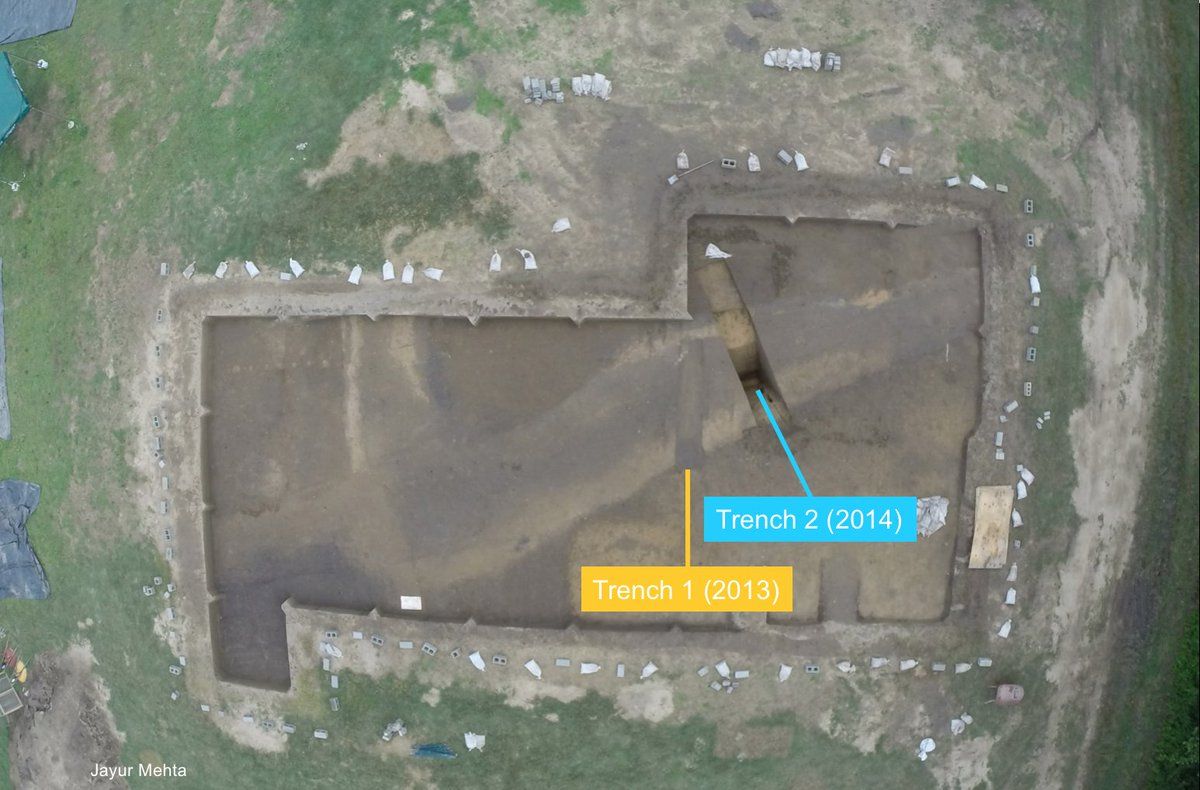
Excavations have uncovered the moat of the Spanish fort, built on the same design as fort at Santa Elena. A subsequent Native American structure intrudes in the lower left.Permalink On twitter.com
 ♻️ 1 Retweets
Mood 0
♻️ 1 Retweets
Mood 0
-
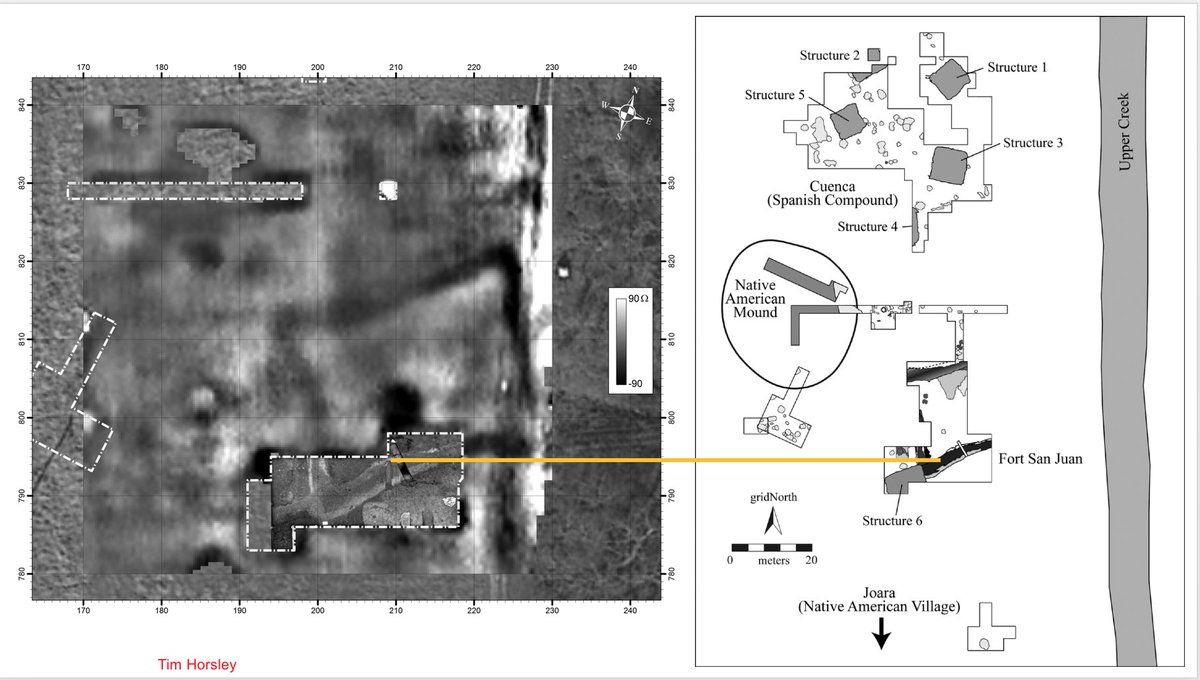
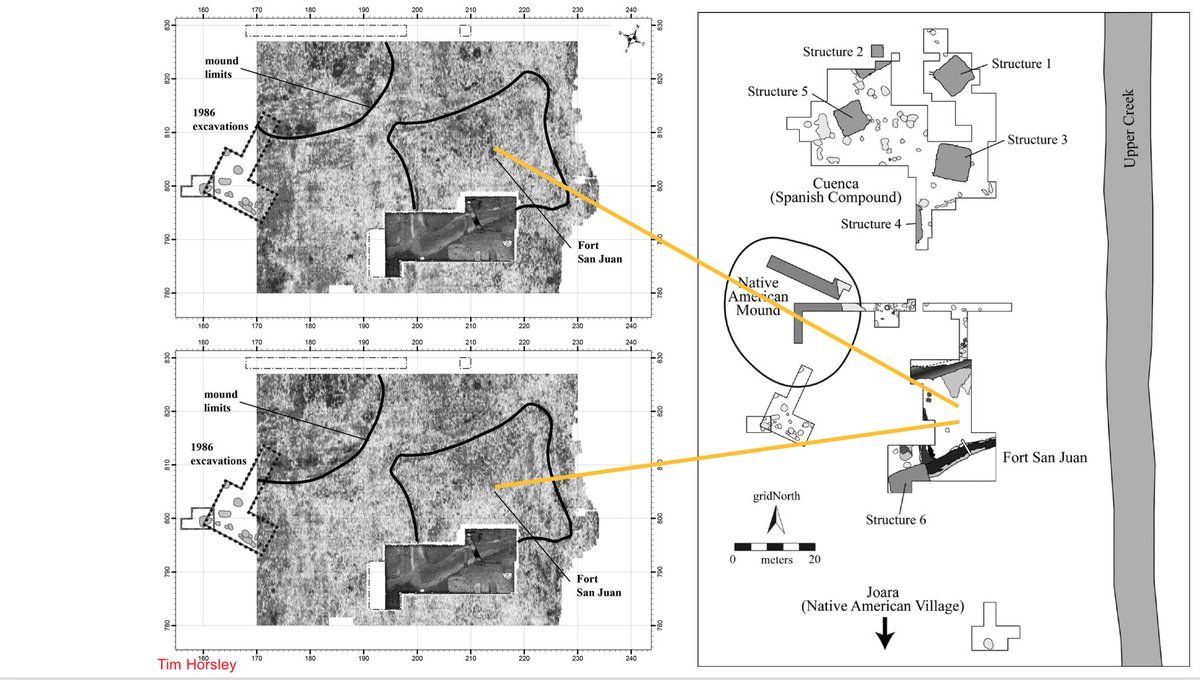
Geophysical surveys add to the picture of the fort's layout… and show the fort displaced a major pre-existing Native American structure.Permalink On twitter.com
 ♻️ 1 Retweets
Mood 0
♻️ 1 Retweets
Mood 0
-
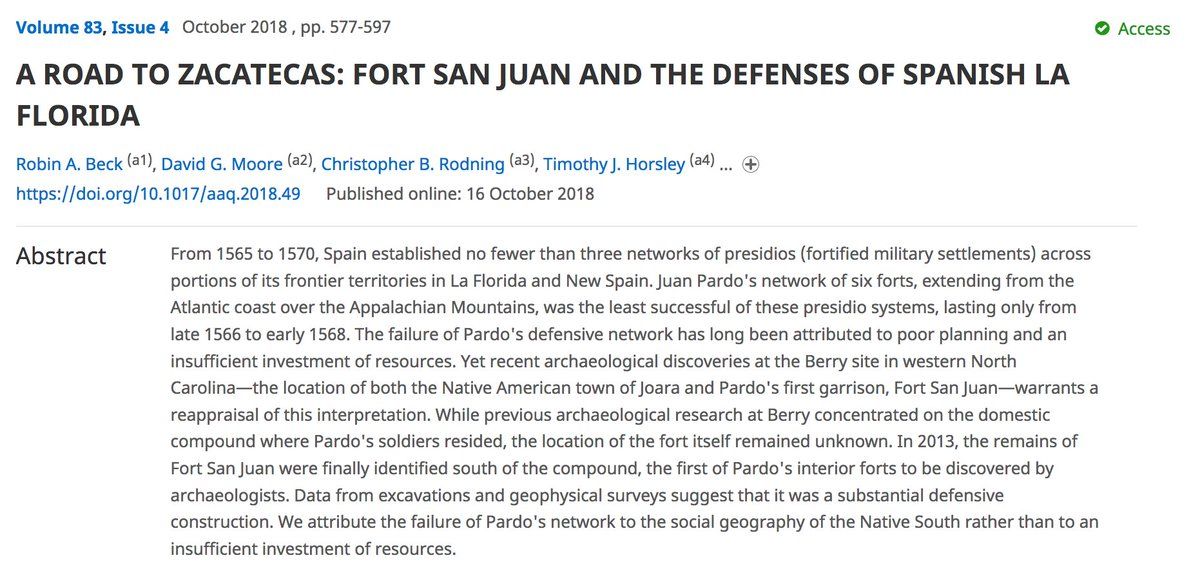
Rodning and colleagues' work on Joara and Fort San Juan is recently published in American Antiquity… cambridge.org/core/journals/american-antiquity/article/road-to-zacatecas-fort-san-juan-and-the-defenses-of-spanish-la-florida/28E8CE185F0368B2BF3A190EA92FCD84Permalink On twitter.com
 ♻️ 1 Retweets
Mood 0
♻️ 1 Retweets
Mood 0
-
Rodning: We aspire to have these events included in regional history, centering around Native American defeat of Spanish colonialism in North Carolina.On twitter.com
♻️ 1 Retweets
Mood -2 🙁
-
Key next questions for Rodning: How did Native Americans incorporate Spanish colonists into their world? Longer perspective on culture change in the contact period.Permalink On twitter.com
♻️ 1 Retweets
Mood 0